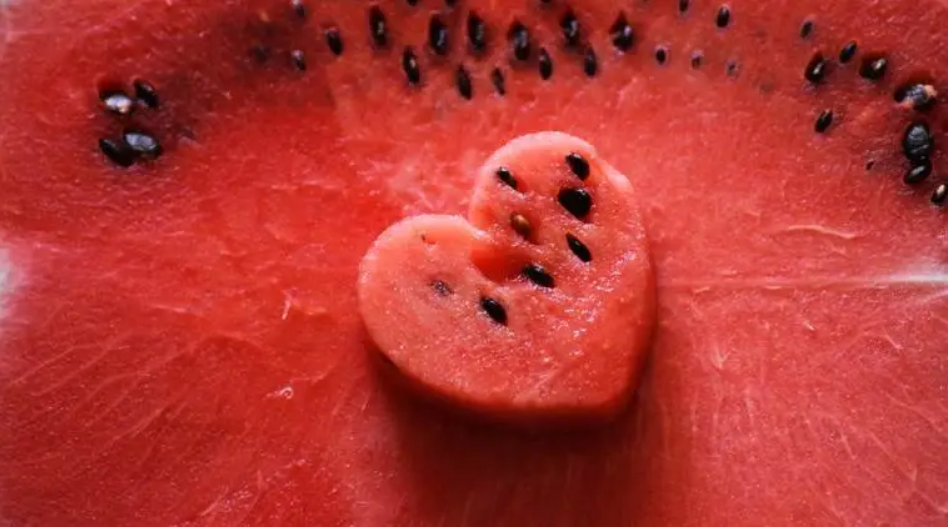
Watermelon seeds are often discarded once the fruit is eaten, but they are actually edible and packed with health benefits. Contrary to popular belief, consuming watermelon seeds will not cause a plant to grow inside you; instead, they can significantly boost your health.
Curious about the health benefits and how to incorporate these seeds into your diet? Here’s what you need to know.
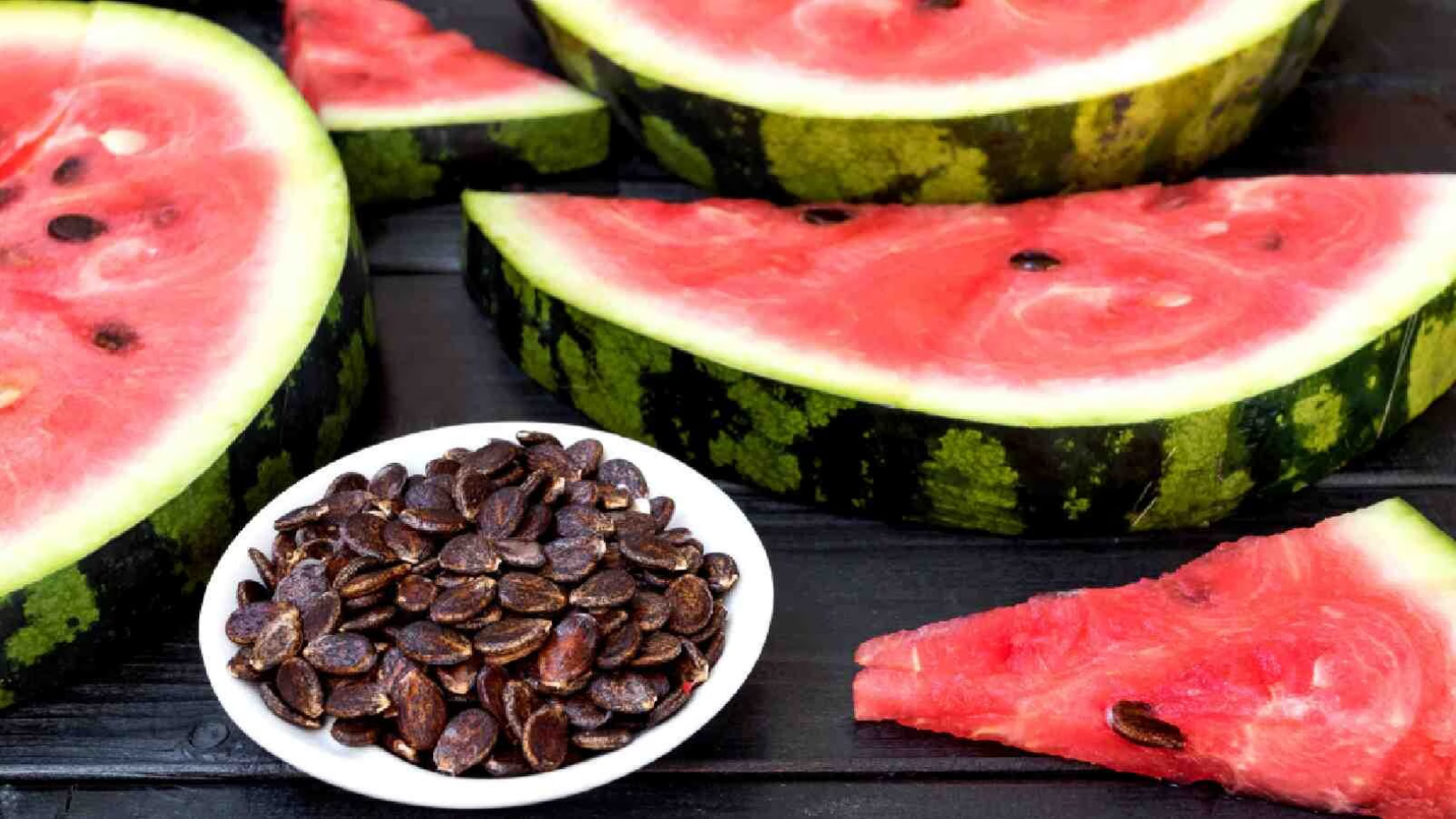
Watermelon seeds are low in calories and rich in micronutrients such as copper, potassium, magnesium, iron, folate, and zinc, all essential for the body. These seeds are also known to boost immunity. Due to their magnesium content, they can help manage hypertension and blood pressure.
The seeds can strengthen bones thanks to their copper, manganese, and potassium content, which together enhance bone density. Additionally, the micronutrients can boost metabolism. Watermelon seeds are also rich in amino acids, proteins, and vitamin B complex.
For skincare and haircare, these seeds are beneficial too. The proteins and iron improve hair texture and quality, while the antioxidants help keep the skin youthful. Watermelon seed oil is a common ingredient in cosmetics, as it can treat acne and slow early aging.
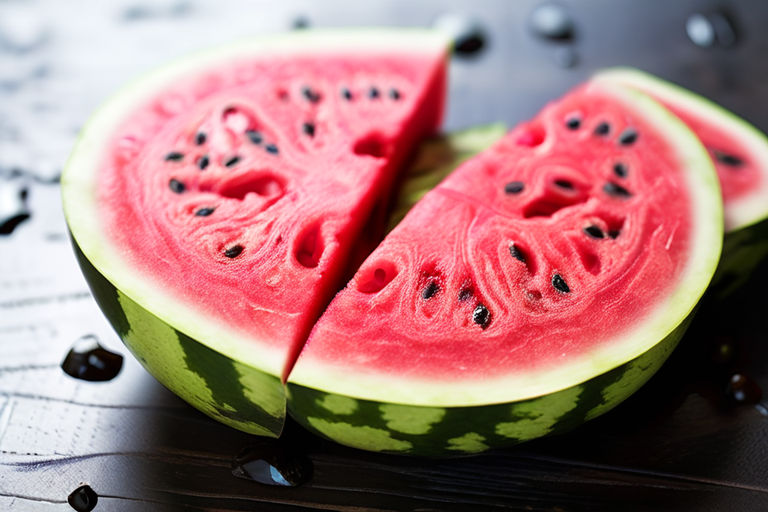
### How to Use Watermelon Seeds
- **Dry the Seeds**: Remove the seeds from the fruit and let them dry.
- **Roast the Seeds**: Roast them in a pan and store them in an airtight container.
- **Healthy Snacking**: Use the roasted seeds as a nutritious snack.
- **Add to Salads**: They can be sprinkled on salads for added nutrition.
- **Powder Form**: Consume them in powdered form for convenience.
Enjoy these nutrient-rich seeds as part of a balanced diet to reap their numerous health benefits.